The Future of Aquaculture in Africa: Challenges and Opportunities
Africa holds more than 25% of the world's freshwater resources, rivers, lakes, wetlands, and coastal waters that stretch across 54 nations. Yet despite this extraordinary endowment, the continent remains a net importer of fish, spending billions of dollars annually to meet its protein demands. This paradox sits at the heart of what AquaProX Africa was built to resolve.
The Scale of the Opportunity
Sub-Saharan Africa's aquaculture sector currently produces less than 5% of global aquaculture output, despite the fact that the continent's population, projected to reach 2.5 billion by 2050, will require an estimated 300% increase in protein production to avoid a food security crisis. Fish is the most affordable, nutrient-dense animal protein available to most African households, and yet wild capture fisheries are already overstressed. The gap between supply and demand creates not just a humanitarian challenge, but an enormous economic opportunity.
The African Development Bank has estimated that the blue economy holds the potential to generate over $1 trillion in annual output by 2063. Aquaculture, controlled fish farming in freshwater, brackish, and marine systems, is the fastest-growing food production system in the world, and Africa is the last major frontier for its expansion.
The Real Challenges
The pathway to a thriving aquaculture sector is not without significant obstacles, and any honest assessment must name them directly.
Skills and Knowledge Gap: Most rural fish farmers in Africa learned their craft through informal, generational knowledge. Modern sustainable aquaculture, recirculating systems, precision feeding, disease management, water quality monitoring, requires a fundamentally different skill set that existing extension services have failed to provide at scale.
Access to Finance: Commercial banks routinely decline aquaculture loan applications due to perceived risks around crop failure, market volatility, and lack of collateral. Without financing, small-scale farmers cannot invest in the infrastructure improvements that would make their operations bankable, a classic catch-22.
Market Linkages: Even when farmers produce healthy yields, connecting them to reliable, well-priced markets remains a challenge. Cold chain infrastructure is underdeveloped, and the informal nature of most fish markets means producers lack price transparency and bargaining power.
Climate Vulnerability: Rising temperatures, shifting rainfall patterns, and lake-level fluctuations are already disrupting traditional fishing calendars and freshwater availability for farm ponds. Future aquaculture must be designed with climate resilience built in from day one.
What the Path Forward Looks Like
At AquaProX Africa, we believe the solution lies at the intersection of youth energy, practical education, and technology. Young Africans are already the continent's majority demographic, channeling their ambition into aquaculture entrepreneurship transforms the sector's trajectory.
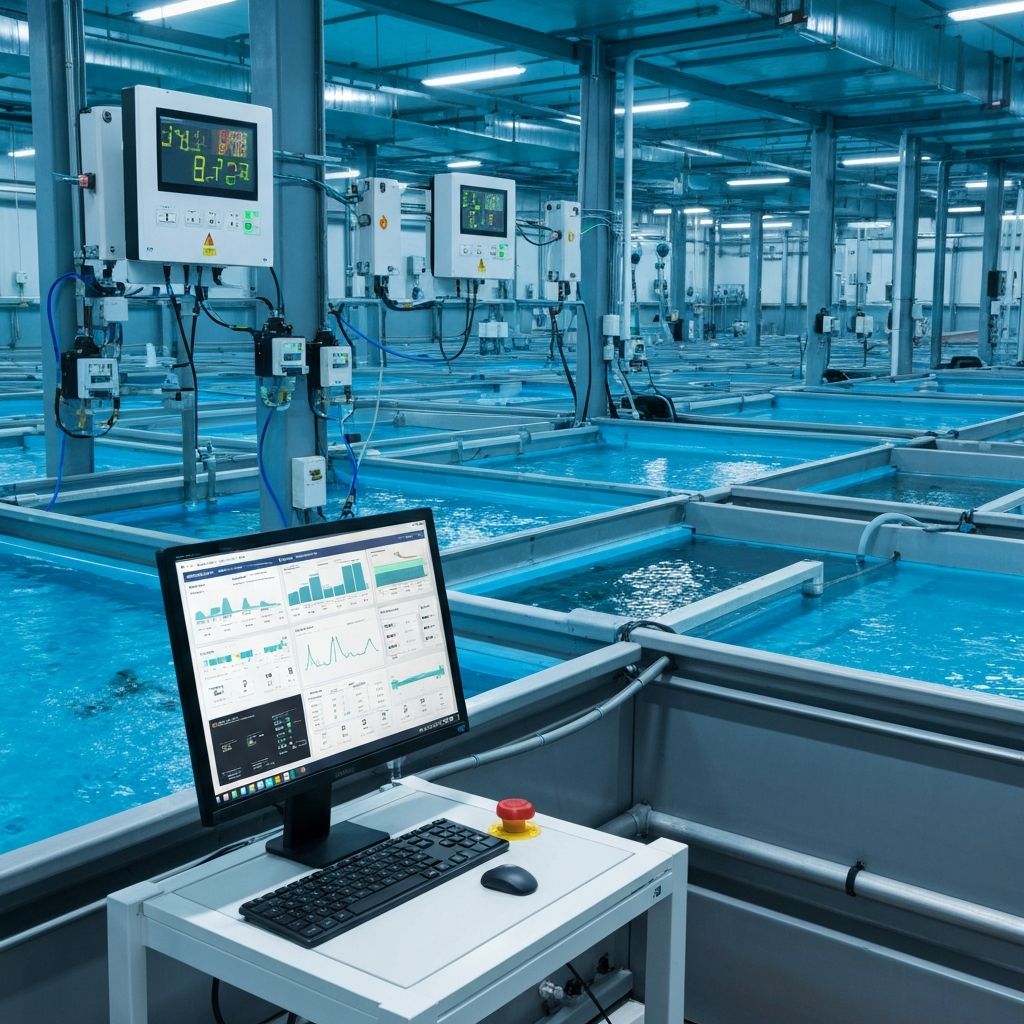
Our model is built on three core pillars: practical, hands-on training that produces competent fish farmers rather than certificate holders; enterprise mentorship that walks aquapreneurs through the business realities of operating a profitable farm; and technology integration that brings affordable monitoring tools, AI-assisted decision making, and digital market access to producers who previously operated in the dark.
The results we have witnessed in our first years, over 1,200 youth trained, 240 enterprises launched, an 85% farm success rate, suggest that this integrated approach works. The challenge is scale.
The Decade Ahead
The institutions, governments, and investors who move early on African aquaculture will define the sector for a generation. The infrastructure of training, enterprise support, and market linkages that gets built now will determine whether Africa can feed itself or remain dependent on imported protein.
We are building that infrastructure, one community at a time. The future of aquaculture in Africa is not a question of resources, the water is already there. It is a question of will, investment, and the courage to trust young Africans with the tools they need to build something extraordinary.
Salifu Eyiojotule Daniel is the Founder and CEO of AquaProX Africa. He writes on youth empowerment, sustainable aquaculture, and the development of Africa's blue economy.